"Landlord insurance" sounds like a product. It is really a bundle, and the pieces inside it insure completely different things against completely different events. Most of the trouble comes from assuming one of them covers something that belongs to another, and finding out at the point of claim.
Here is what each piece actually does.
Not financial advice. Insurance is a regulated product. This explains what the cover types are so you can ask better questions; compare quotes from FCA-authorised firms and read the policy wording, which is the only thing that decides a claim.
Buildings: the thing you could not carry out
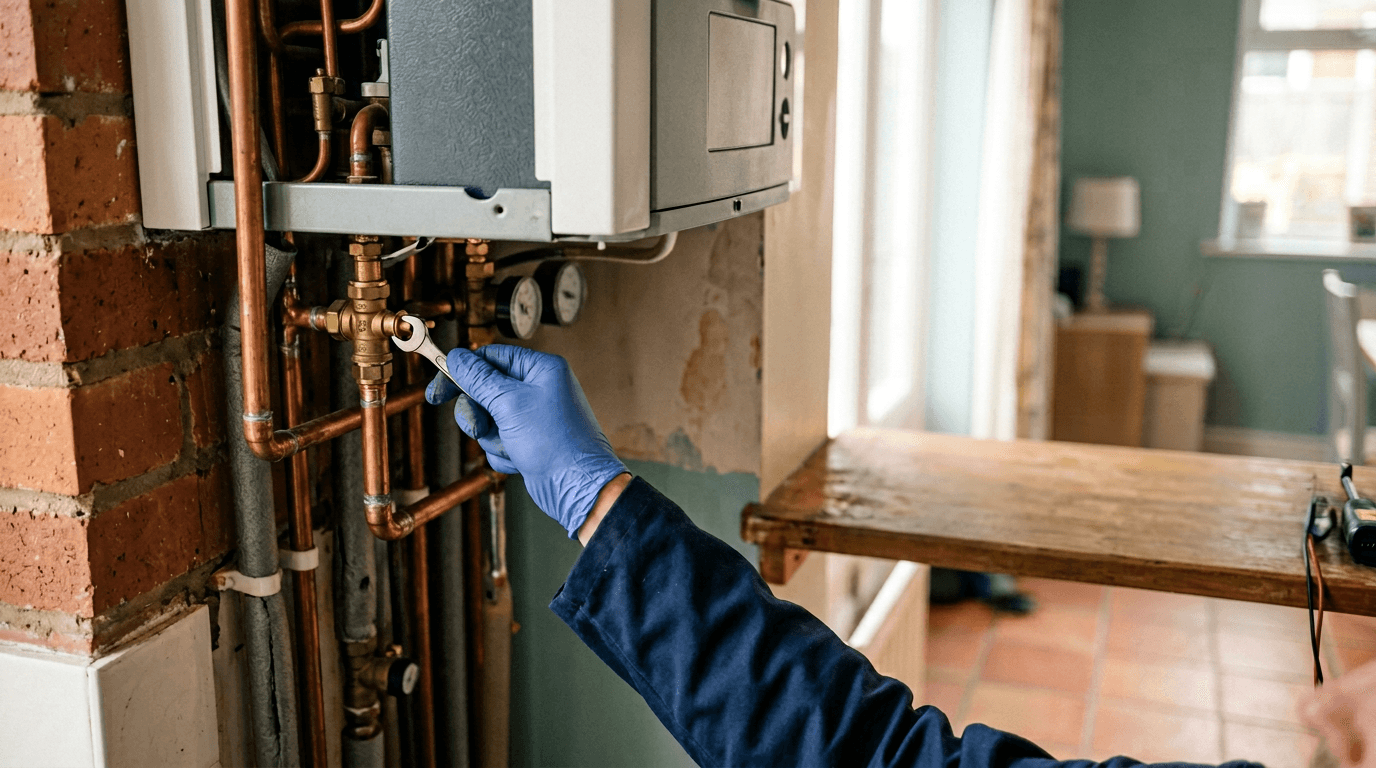
Buildings cover insures the structure. Walls, roof, floors, and generally the fixtures that would stay if you turned the property upside down: the fitted kitchen, the bathroom suite, the boiler.
Two things landlords get wrong here.
It is not legally required, but your lender almost certainly requires it. There is no statute obliging you to insure a property you let. A buy-to-let mortgage condition obliging you to keep the building insured is close to universal, and that is a contractual requirement with real consequences.
Your existing home insurance probably does not cover a let property. Letting is a change of use, and a residential policy written for an owner-occupier is usually not valid once tenants move in. This is not a technicality insurers overlook. Tell them, or the first claim is the conversation.
Who insures a leasehold flat
If you let a leasehold flat, you may not need buildings cover at all, and buying it is a common waste.
GOV.UK puts the normal position plainly: "Your landlord will usually be responsible for insurance of the building (not the contents) - this will be part of your service charge." In other words the freeholder insures the structure and you contribute through the service charge you already pay.
What that leaves you needing is cover for your own contents, your liability as the person letting it, and anything the block policy excludes. Read the block policy rather than assuming, because what it covers varies, and ask specifically whether it covers a let flat: some block policies are written on the assumption of owner-occupiers.
Contents: whose contents?
This is the distinction that causes the most confusion, and it is simple once stated.
Your contents are the things you supplied: the sofa in a furnished let, the white goods, the carpets and curtains, the beds. Landlord contents cover insures those. In an unfurnished let there may be very little to insure, which is why some landlords skip it and are right to.
The tenant's contents are the tenant's problem. Their television, their laptop, their clothes. Your policy does not cover them and is not supposed to. Tenants routinely assume the opposite, so it is worth saying so in writing at the start of the tenancy rather than after a burst pipe.
Neither of those is the same as accidental damage, which is usually an add-on rather than something included, and which is where the measured demand sits: it is one of the most searched landlord insurance terms and one of the least understood.
Property owners' liability: the one that matters most
If you buy nothing else, understand this one.
Property owners' liability covers your legal liability if someone is injured or their property is damaged because of the condition of the building. A tile comes off and hits a passer-by. A tenant's visitor falls on a defective step. A leak from your flat damages the one below.
It is the cover with the smallest premium and the largest possible claim, which is exactly the shape insurance is for. It is often bundled inside a landlord policy rather than sold separately, and the thing to check is the limit rather than whether it is there at all.
It is not the same as public liability sold to a business, and it is not the same as employers' liability, which you would need if you actually employ someone rather than engaging contractors.
The optional pieces, and when each is worth it
Rent guarantee. Pays the rent if the tenant does not. Usually conditional on referencing having been done to the insurer's standard, which is why it is bought at the start of a tenancy rather than when arrears appear. We have looked at whether it is worth it separately.
Legal expenses. Pays for the legal costs of possession or a dispute. Worth reading closely, because the useful question is whether it covers a contested Section 8 hearing rather than only an undefended process.
Accidental damage. Extends cover to the things that are nobody's fault. Frequently excluded as standard and added by choice.
Unoccupied property cover. Standard policies usually restrict cover after a property has been empty for a set period, commonly around 30 to 45 days. Landlords discover this during a void, which is the exact moment they needed it. If you are between tenancies for longer than a few weeks, tell the insurer.
Loss of rent following an insured event. Different from rent guarantee. This pays the rent when the property becomes uninhabitable after a fire or flood, and is often included where rent guarantee is not.
The four gaps that actually void claims
- 1Not telling them it is let. Covered above, and the most common of the lot.
- 2Not telling them what kind of let. An HMO, a student let, a short let, or letting to tenants receiving benefits are all things insurers price differently and some decline. Undeclared, they are grounds to refuse.
- 3The void period. See unoccupied cover. A property empty for two months during a refurbishment is a different risk and the policy knows it.
- 4No evidence of the condition before the loss. This is the one nobody writes about. Insurers ask what the property was like before, when the damage happened, and what you did about it. A claim supported by a dated check-in report with photographs is settled; the same claim supported by recollection is argued.
What we do about the fourth one
We are not an insurer and we do not sell insurance. What LetCompliance does is run the let: the advert, applications and viewings, referencing, the signed tenancy, the deposit, rent and arrears, inspections and check-out, and your tax figures at the end.
The by-product of running it in one place is that the condition of the property is documented continuously rather than remembered. The check-in report with room-by-room photographs, the mid-tenancy inspections, the repair reported by the tenant with the date it was reported and what was done about it. That is the file an insurer asks for, and it exists because the letting was recorded, not because anyone set out to build an evidence pack.
Common questions
Is landlord insurance a legal requirement? No. No statute requires it. A buy-to-let mortgage will almost always require you to keep buildings insurance in place, which is a contractual obligation rather than a legal one, and letting without telling your insurer can leave you effectively uninsured either way.
Do I need buildings insurance for a leasehold flat? Usually not. GOV.UK sets out the normal position: the freeholder insures the building and leaseholders contribute through the service charge. Check the block policy covers a let flat, then insure your own contents and your liability.
Does my policy cover the tenant's belongings? No. Their possessions are their own responsibility and should be insured by them. Landlord contents cover insures what you supplied.
What is property owners' liability? Cover for your legal liability if someone is injured, or their property damaged, because of the condition of your building. Small premium, potentially very large claim, usually bundled into a landlord policy.
Can I use my normal home insurance if I rent the house out? Generally no. Letting is a change of use and a residential policy is usually invalid once tenants are in occupation. Tell the insurer or arrange a landlord policy.
What happens if the property is empty between tenancies? Most policies restrict cover after a set number of days empty, often around 30 to 45. Tell the insurer if a void will run longer than that, particularly during refurbishment.
Sources and scope
- GOV.UK: Renting out a property
- GOV.UK: Your landlord’s safety responsibilities
- HSE: Gas safety in rented properties
Every figure on this page is cited to GOV.UK, legislation.gov.uk or HSE and reviewed against the live source every quarter. This is guidance, not individual legal advice.
2026 UK Landlord Compliance Cheat Sheet
The main duties, deadlines and maximum penalties for a private let in England on two printable A4 pages, and which failures stop a possession order. Updated for the rules in force since 1 May 2026.
- Duties before and during the tenancy, with the deadline for each
- Maximum penalties, including the £40,000 electrical safety figure
- Which failures bar a Section 8 possession order, and which do not
- The possession grounds landlords use most, with notice periods
Frequently asked questions
What is the difference between buildings, contents and landlord insurance?
They are not alternatives. Buildings cover insures the structure and the fixtures that would stay if you turned the property upside down, such as the fitted kitchen, bathroom and boiler. Contents cover insures the items you supplied, for example furniture, white goods, carpets and curtains, and not the tenant’s own possessions. "Landlord insurance" is the bundle: usually buildings and contents together with property owners’ liability, and optionally rent guarantee, legal expenses, accidental damage and loss of rent.
Do I need buildings insurance for a leasehold flat I let out?
Usually not, and buying it separately is a common waste. GOV.UK sets out the normal position: your landlord, meaning the freeholder, will usually be responsible for insurance of the building and this will form part of your service charge. Check that the block policy covers a flat that is let rather than owner-occupied, then arrange cover for your own contents and your liability as the person letting it.
Is landlord insurance a legal requirement in the UK?
No statute requires it. In practice a buy-to-let mortgage will almost always oblige you to keep buildings insurance in force, which is a contractual requirement with real consequences if breached. Separately, letting a property without telling your insurer usually invalidates a residential policy, so the practical answer is that you need appropriate cover even though no law names it.
Does landlord insurance cover the tenant’s belongings?
No. The tenant’s possessions are their responsibility and should be covered by their own contents policy. Landlord contents cover insures what you supplied. Tenants frequently assume the opposite, so it is worth stating in writing at the start of the tenancy rather than after a leak.
What is property owners’ liability and do I need it?
It covers your legal liability if somebody is injured, or their property damaged, because of the condition of your building: a tile falling, a defective step, a leak into the flat below. The premium is small and the potential claim is large, which is the shape insurance exists for. It is usually bundled into a landlord policy, so the question is what the limit is rather than whether you have it.
What voids a landlord insurance claim most often?
Four things. Not telling the insurer the property is let. Not telling them what kind of let it is, since HMOs, student lets, short lets and lettings to tenants on benefits are priced differently and sometimes declined. Leaving the property empty beyond the policy’s unoccupancy limit, commonly around 30 to 45 days. And having no dated evidence of the property’s condition before the loss, which turns a settlement into an argument.
Is accidental damage cover included as standard?
Usually not. It is commonly an optional extension rather than part of the base policy, and it is the cover most often assumed to be present when it is not. If it matters to you, check the schedule rather than the marketing page.

